
150+ Best Website Directories to Submit Your Site
Discover over 150 trusted website directories to submit your website, improve online visibility, build quality…
Read ArticleExplore top startup directories where you can list and promote your business, reach new audiences, showcase SaaS products, and connect with entrepreneurs.

Launching a new startup is only the beginning. Once your product or service is ready, one of the biggest challenges is getting it in front of the right audience. Startup directories and discovery platforms can help new businesses increase visibility, reach potential users, and build awareness around their products.
Startup directories are especially useful for SaaS companies, technology startups, online businesses, apps, and new digital products. Some platforms focus on product launches and early adopters, while others help people discover companies, funding information, jobs, and business opportunities.
In this guide, we’ve collected some of the best startup directories and platforms to consider when promoting a new business in 2026. Before submitting your startup, always check the current requirements, pricing, and eligibility rules because submission policies can change.
A startup directory is an online platform that helps people discover new companies, products, software, and technology businesses. Depending on the platform, a startup profile may include information such as the company name, website, description, industry, location, founders, funding, product details, and other business information.
Some startup platforms also provide launch and community features, allowing founders to introduce their products to potential customers, investors, partners, and early adopters.
Unlike general website directories, startup platforms usually focus on companies and products rather than simply listing websites by category.
Getting discovered can be difficult when a startup is new. A listing on a relevant startup platform can give your business another place where potential customers and industry professionals can find you.
Startup directories can help with:
However, directory submissions should be part of a broader marketing strategy. A startup should also focus on its website, content, social media, customer outreach, product quality, and other relevant marketing channels.
There are many websites that list startups, but they serve different purposes. Some are designed for product launches, while others focus on company information, startup jobs, investors, or early-stage businesses.
For this list, we focused on established platforms that provide meaningful discovery, launch, or business-related value for startups.
We considered factors such as:
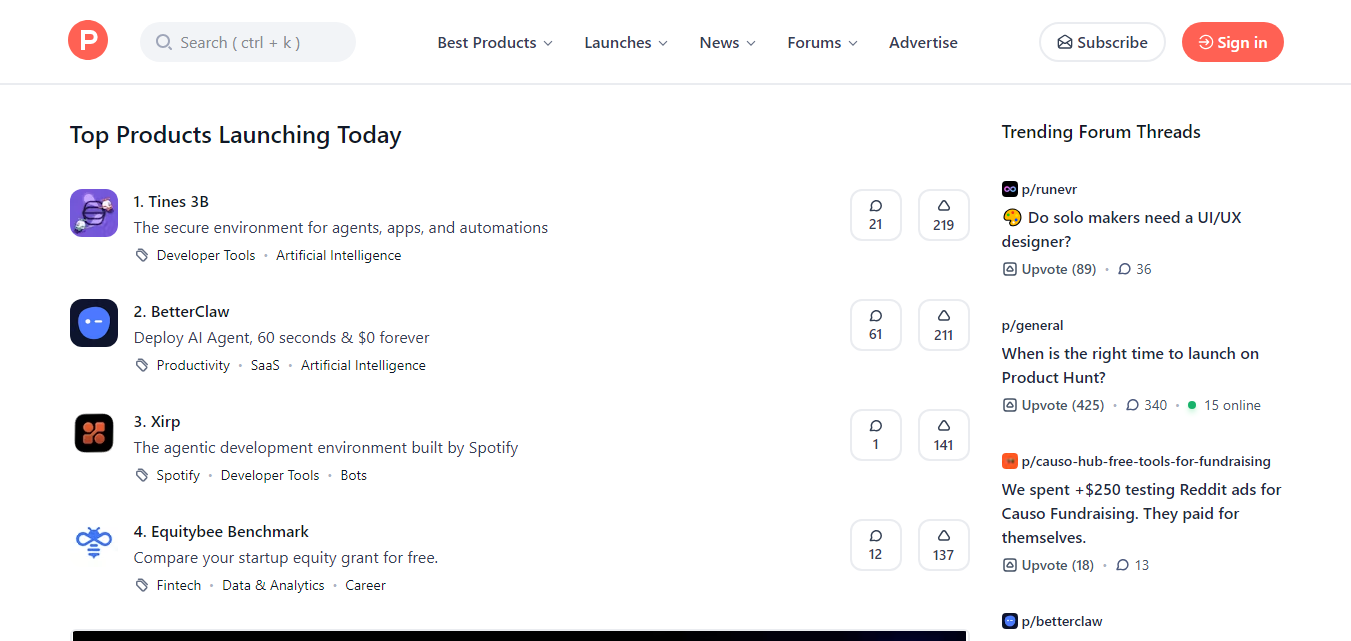
Official Website:
Product Hunt
Best For: Launching new products, software, apps, and technology startups.
Product Hunt is one of the best-known platforms for discovering and launching new technology products. Makers can share products with a global community of entrepreneurs, developers, investors, product professionals, and early adopters.
A Product Hunt launch can help a new product gain initial exposure and collect feedback from people interested in discovering new technology. The platform also provides launch resources to help makers prepare their product, presentation, and launch strategy.
Product Hunt states that its platform is free to use and that makers can submit products through the launch process. :contentReference[oaicite:0]{index=0}
Best For: Startups launching a new product or technology service.
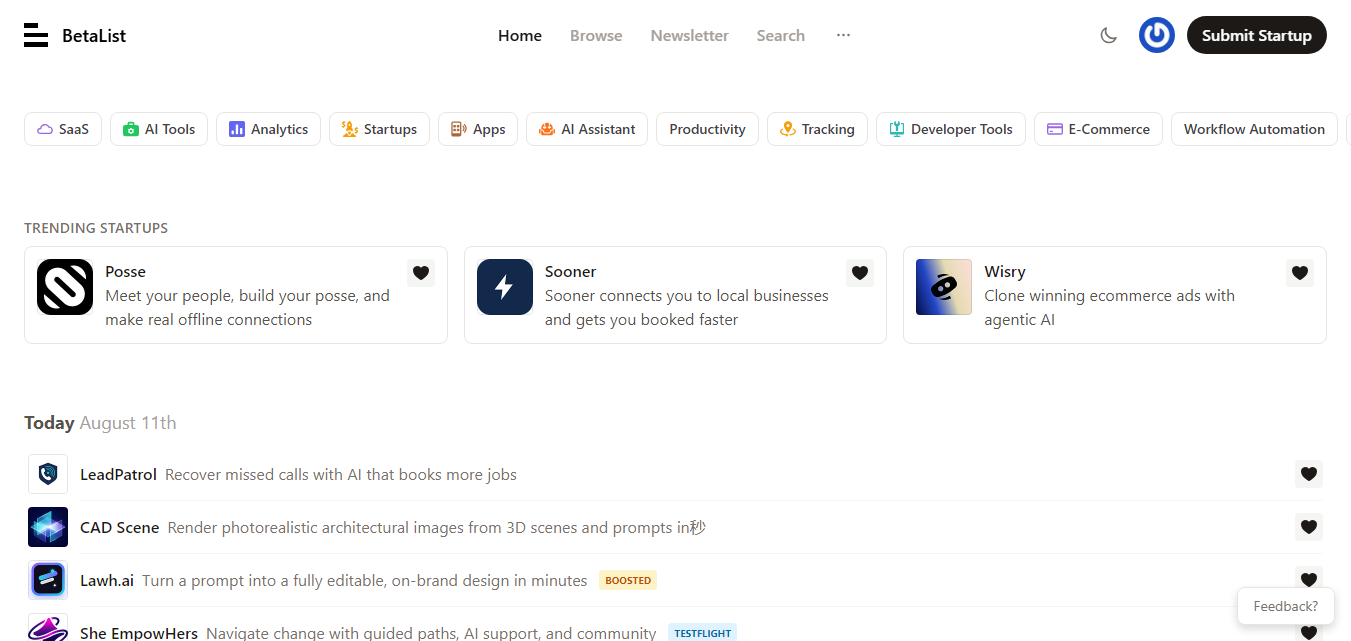
Official Website:
BetaList
Best For: Early-stage and recently launched technology startups.
BetaList focuses on helping people discover early-stage startups before they become widely known. It is particularly relevant for technology startups that are preparing to launch or have recently launched a product.
According to BetaList’s current guidelines, suitable startups should generally be relatively new, have a clear value proposition, provide a decent landing page, and allow visitors to sign up or access the product. :contentReference[oaicite:1]{index=1}
It’s important to note that BetaList currently requires payment for startup submissions; there is no free submission option. The platform says accepted submissions can be featured, while rejected submissions are automatically refunded. :contentReference[oaicite:2]{index=2}
Best For: New technology startups looking for early visibility.
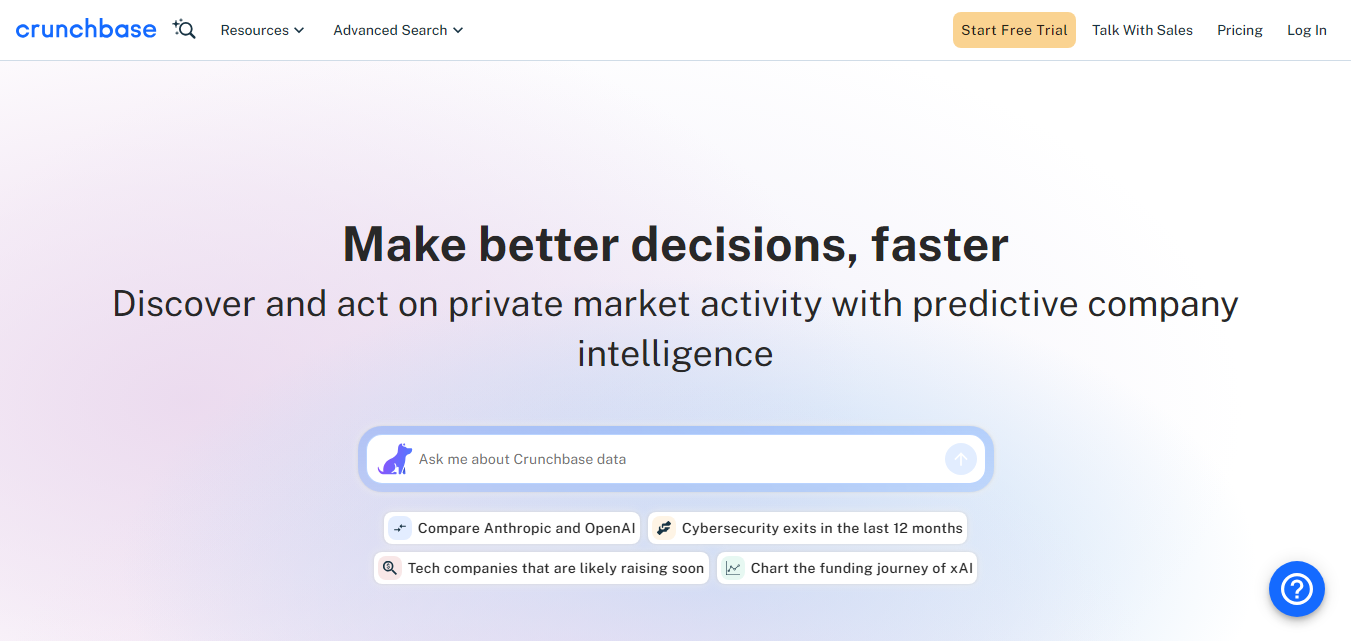
Official Website:
Crunchbase
Best For: Company discovery, startup research, funding information, and business intelligence.
Crunchbase is a major platform for discovering information about private companies, startups, investors, funding activity, and business markets. It covers companies across different stages, from early-stage startups to established organizations. :contentReference[oaicite:3]{index=3}
For startups, having accurate company information on a widely used business intelligence platform can make it easier for investors, researchers, potential partners, and other businesses to discover the company.
Crunchbase also provides tools for researching companies, funding activity, market trends, and private-market opportunities.
Best For: Startups that want to establish and maintain a professional company presence in a major business database.
Official Website:
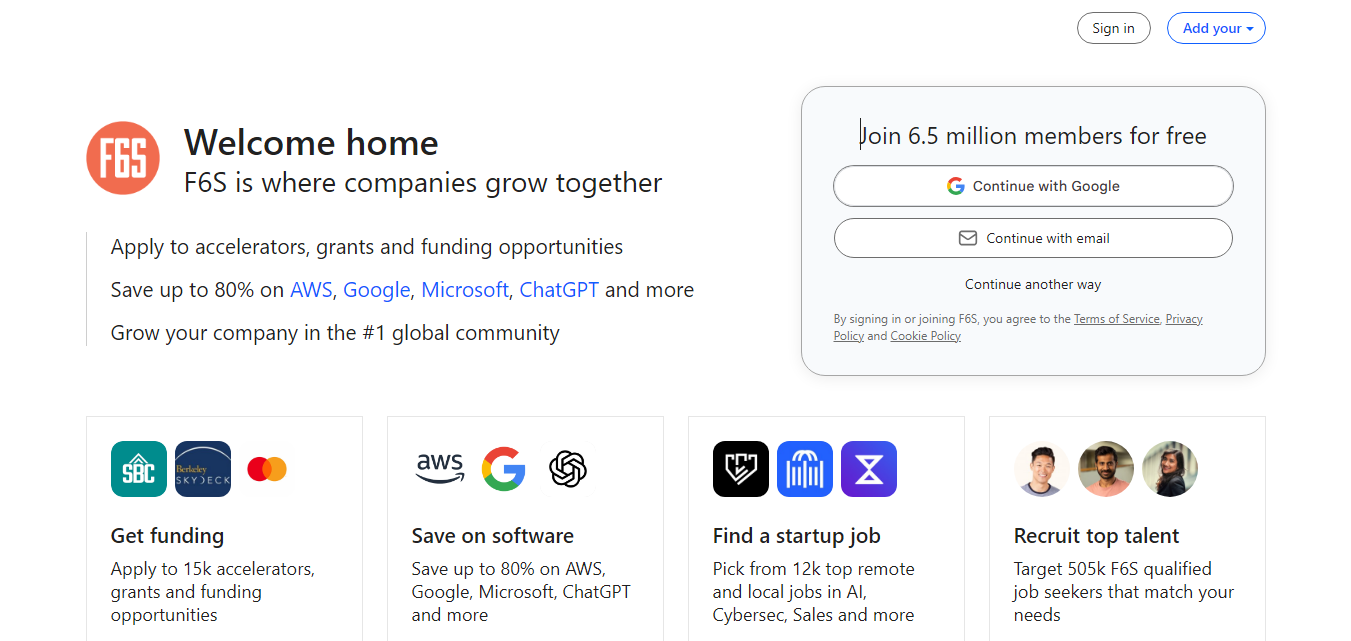
F6S
Best For: Startup founders, accelerators, funding opportunities, and startup programs.
F6S is a platform built around startups, founders, accelerators, investors, and business opportunities. Rather than functioning only as a traditional directory, it connects startups with programs, applications, funding opportunities, and other resources that can support business growth.
For early-stage founders, platforms like F6S can be useful when looking beyond simple website promotion and searching for startup programs, partnerships, and opportunities to grow the business.
Best For: Early-stage founders looking for startup programs and growth opportunities.
Official Website:
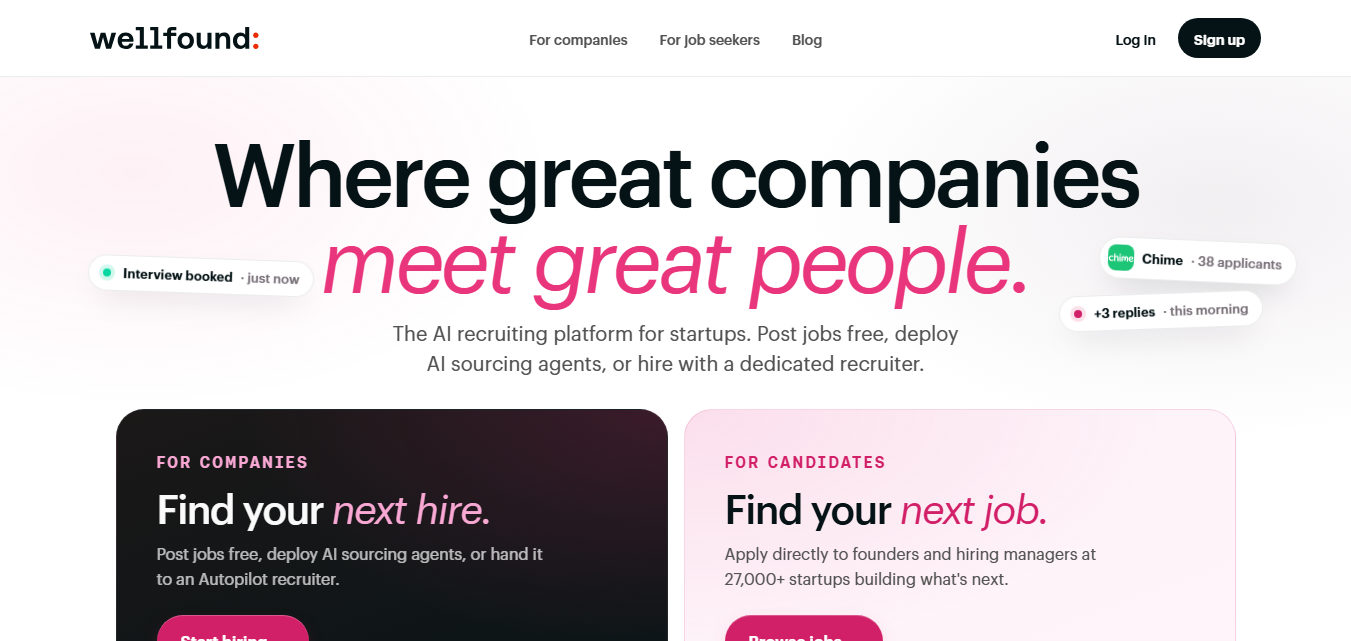
Wellfound
Best For: Startup companies, hiring, startup jobs, and discovering technology businesses.
Wellfound is a startup-focused platform that connects companies and talent. It provides a large database of startups and is particularly useful for companies that are hiring or looking to build a team.
Wellfound currently describes itself as a hiring marketplace and AI recruiting platform for startups. Its platform allows companies to post jobs and helps candidates discover startup opportunities. :contentReference[oaicite:4]{index=4}
For a growing startup, maintaining a company presence on a platform focused specifically on startups and technology talent can help support recruitment and brand visibility.
Best For: Startups that are hiring, building teams, or looking to increase their presence among startup professionals.
Before submitting your company to any startup platform, prepare the basic information that most platforms may request. Having everything ready will make the submission process faster and help you create consistent profiles across different websites.
Official Website:
https://www.startupblink.com/
Best For: Startup discovery, ecosystem research, and finding startup resources.
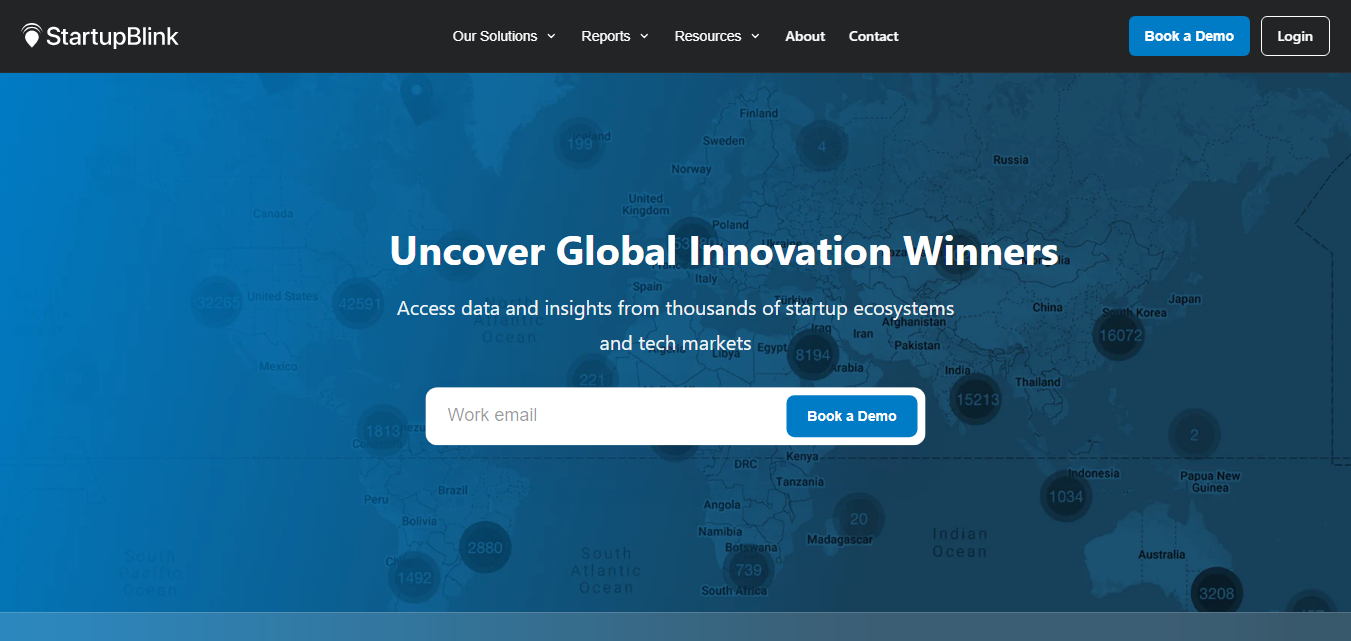
StartupBlink is a global startup ecosystem platform that helps entrepreneurs, companies, investors, and other members of the startup community discover startup ecosystems and business resources.
It can be useful for founders who want to research startup communities, discover companies, explore ecosystem information, and find resources relevant to their location or industry.
Best For: Founders researching startup ecosystems and business opportunities.
Official Website:
https://gust.com/
Best For: Startup funding, investor connections, and early-stage companies.
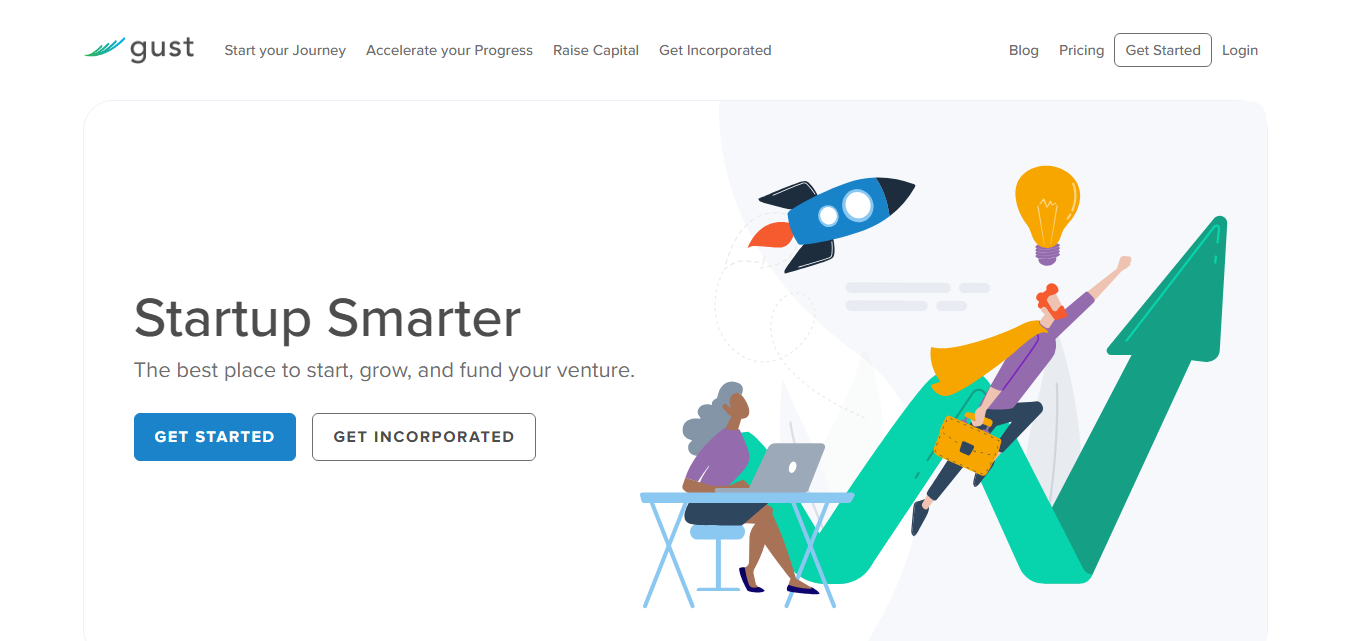
Gust is a platform designed to support startups and investors throughout the early stages of building a company. It provides tools and resources for entrepreneurs who are looking for funding opportunities and for organizations involved in startup investing.
For founders, Gust can be useful when the goal goes beyond simply promoting a website and includes preparing for fundraising, connecting with investors, or exploring startup funding opportunities.
Best For: Startups preparing for fundraising and early-stage business development.
Official Website:
https://www.saashub.com/
Best For: SaaS products, software discovery, and software alternatives.
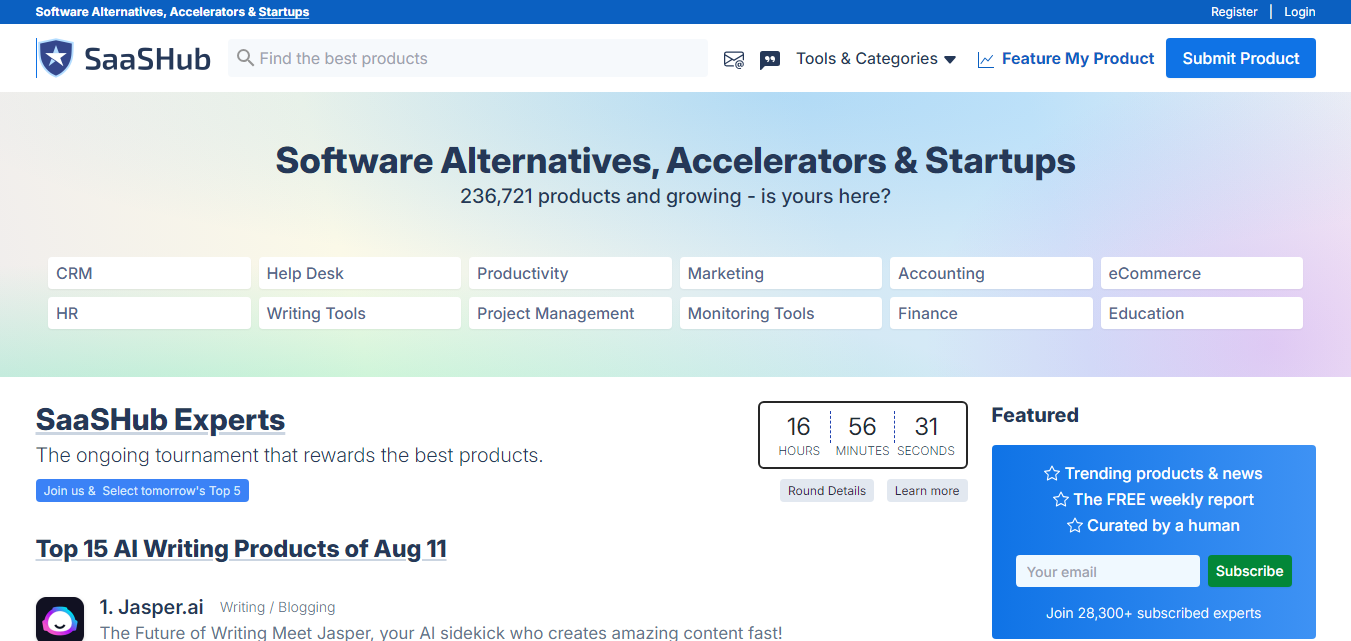
SaaSHub is a software discovery platform where users can find SaaS products, software applications, and alternatives to existing services. It can be particularly useful for startups that offer software products and want to reach people actively researching technology solutions.
Software listings can help potential users compare products, explore alternatives, and discover new applications in different categories.
Best For: SaaS startups and software companies looking for product discovery opportunities.
Official Website:
https://www.g2.com/
Best For: B2B software, SaaS products, customer reviews, and software discovery.
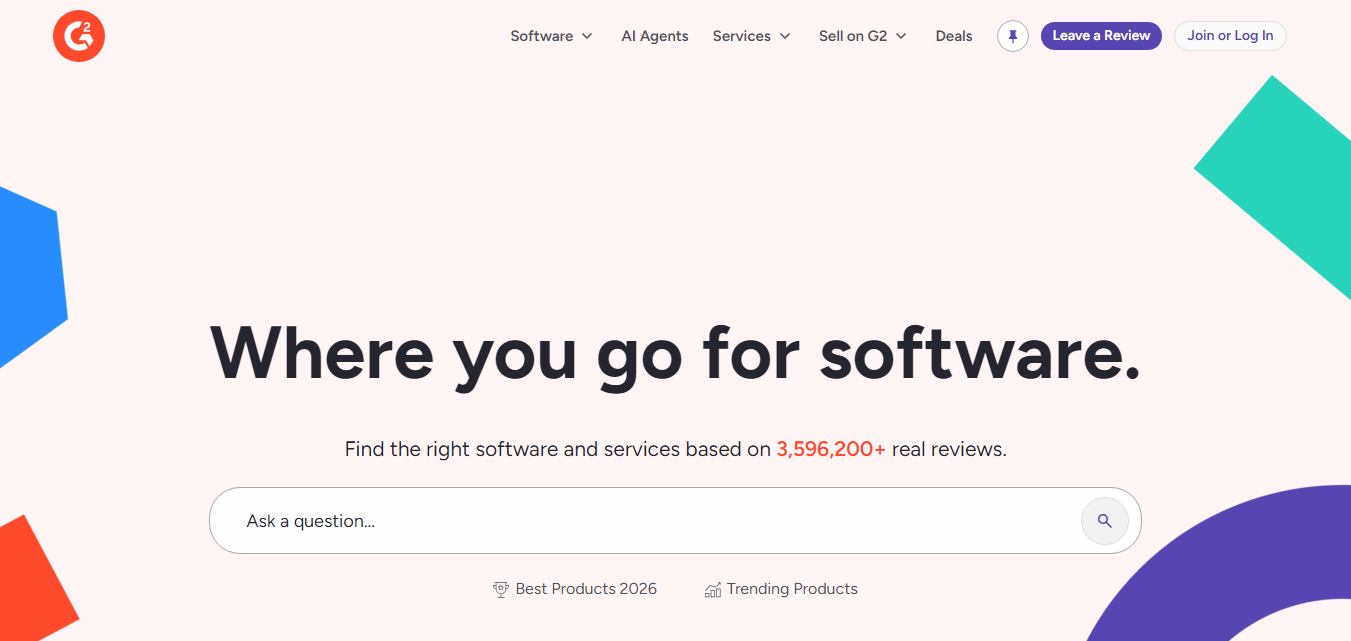
G2 is a software marketplace and review platform where businesses can research software products and read reviews from users. It covers a wide range of categories, including business software, marketing platforms, productivity applications, security products, and other technology solutions.
For a software startup, maintaining an accurate product profile and collecting genuine customer feedback can help potential buyers understand what the product does and how it compares with other solutions.
Best For: B2B SaaS companies and software startups targeting business customers.
Official Website:
https://www.capterra.com/
Best For: Business software discovery, comparisons, and software reviews.
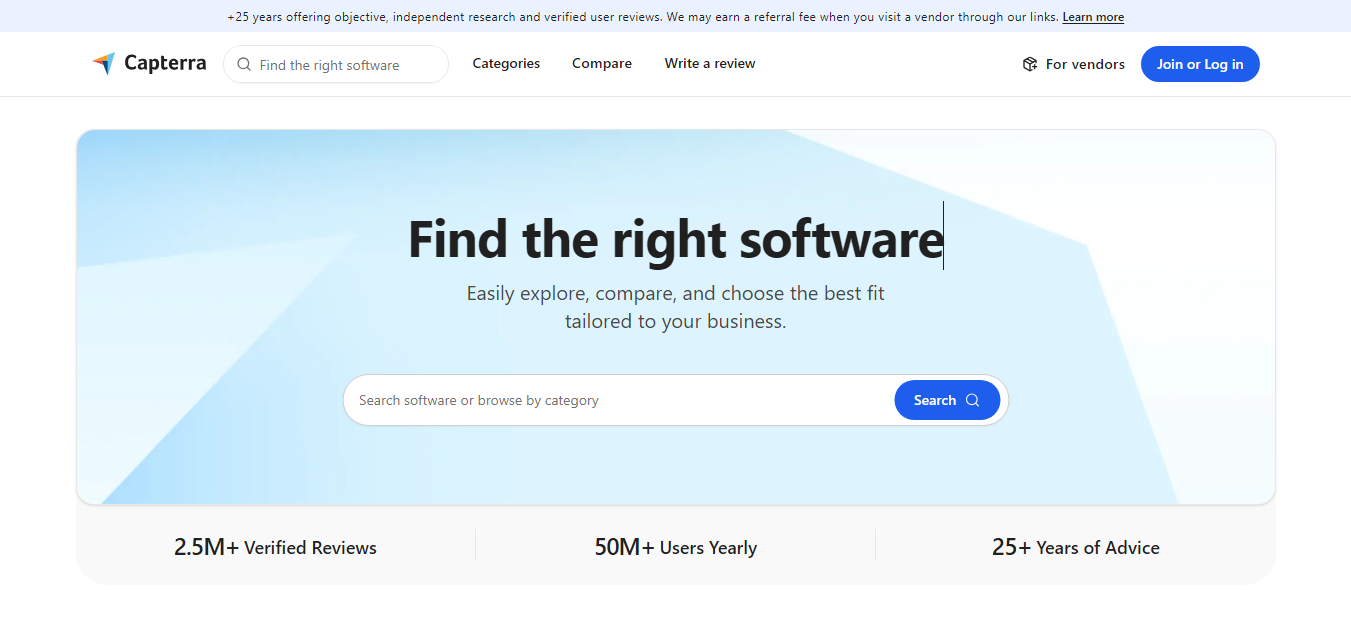
Capterra is a software discovery platform that helps businesses research and compare software products across many categories. Visitors can explore software based on their business needs, compare different products, and read reviews and product information.
For startups offering business software, creating and maintaining an accurate product presence can help potential customers discover the product while researching solutions for their organization.
Best For: SaaS and business software startups looking to reach companies researching software solutions.
One important thing to remember is that a startup directory does not always work like a traditional website directory. Some platforms are designed for product launches, some focus on software reviews, and others concentrate on investors, startup jobs, or business research.
Choose platforms based on the type of exposure your startup actually needs. A SaaS company may benefit more from software discovery and review platforms, while an early-stage founder may get more value from startup communities and launch platforms.
Instead of submitting your startup everywhere, focus on platforms where your potential customers, investors, partners, or employees are likely to spend time.
Your startup description is often the first introduction people have to your business. Keep it short, clear, and focused on the problem your product solves.
A good startup listing should explain:
Avoid filling your description with keywords or exaggerated claims. A clear explanation of your product is more useful to potential customers than a paragraph written only for search engines.
Official Website:
https://alternativeto.net/
Best For: Software discovery and finding alternatives to existing products.
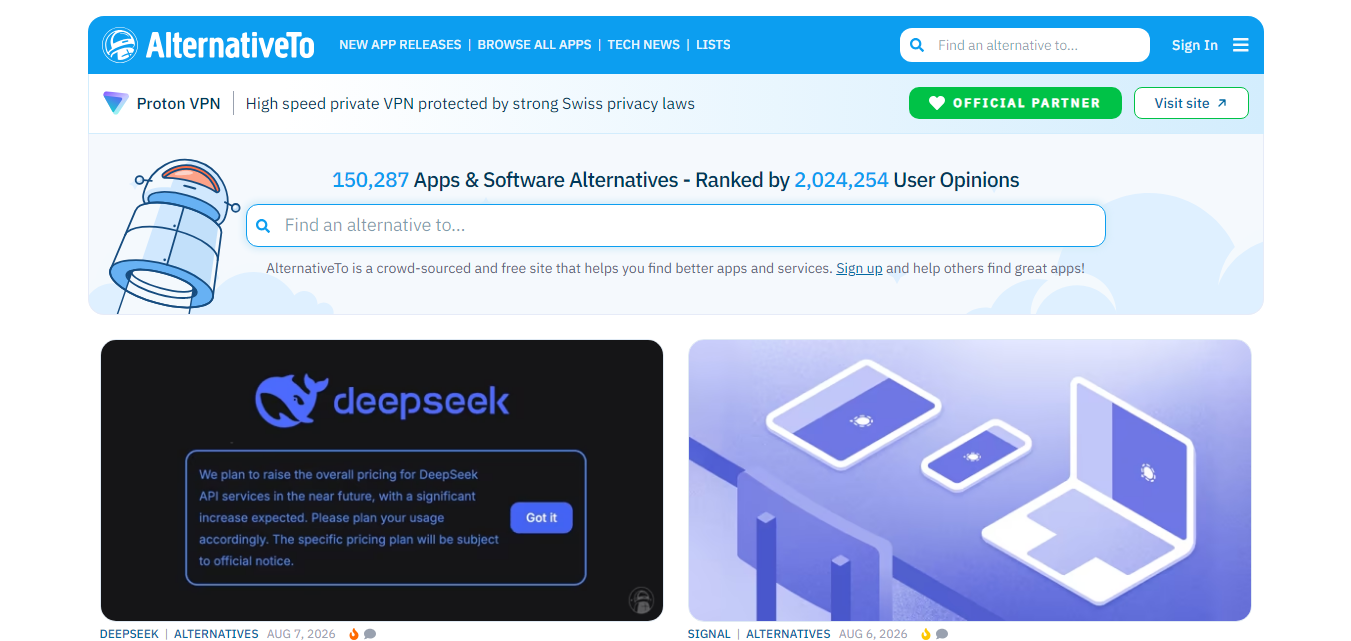
AlternativeTo helps people find alternatives to software, apps, and online services they already use. Users can search for a product and discover other solutions based on features, platforms, user recommendations, and other criteria.
For startups developing software or SaaS products, being discoverable on an alternative-focused platform can put the product in front of users who are already looking for a solution in a particular category.
Best For: Software startups offering an alternative to an existing application or service.
Official Website:
https://www.indiehackers.com/
Best For: Bootstrapped startups, indie founders, side projects, and founder communities.
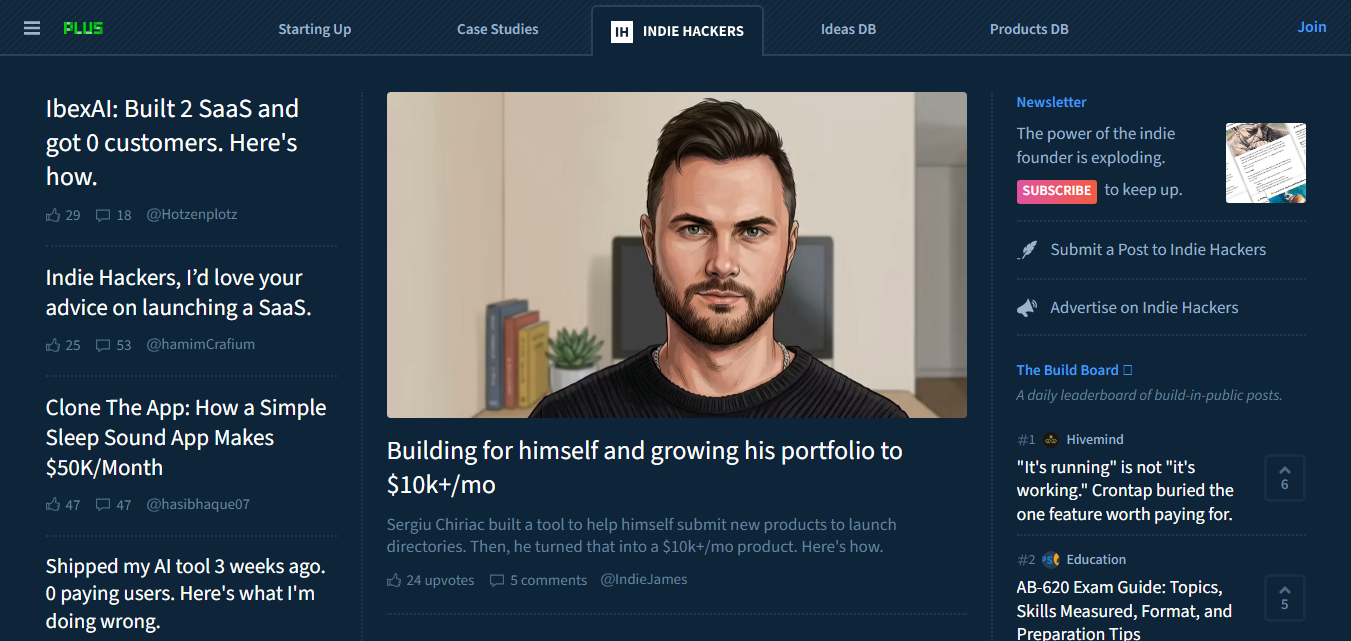
Indie Hackers is a community for entrepreneurs building online businesses and software products. Instead of being only a traditional directory, the platform combines community discussions, founder stories, product discovery, and business-building resources.
It can be especially useful for independent founders who want to share their progress, learn from other entrepreneurs, discuss challenges, and introduce their products to a community interested in startups and online businesses.
Best For: Indie hackers, bootstrapped founders, and developers building online products.
Official Website:
https://www.sideprojectors.com/
Best For: Side projects, indie products, project showcases, and finding co-founders.
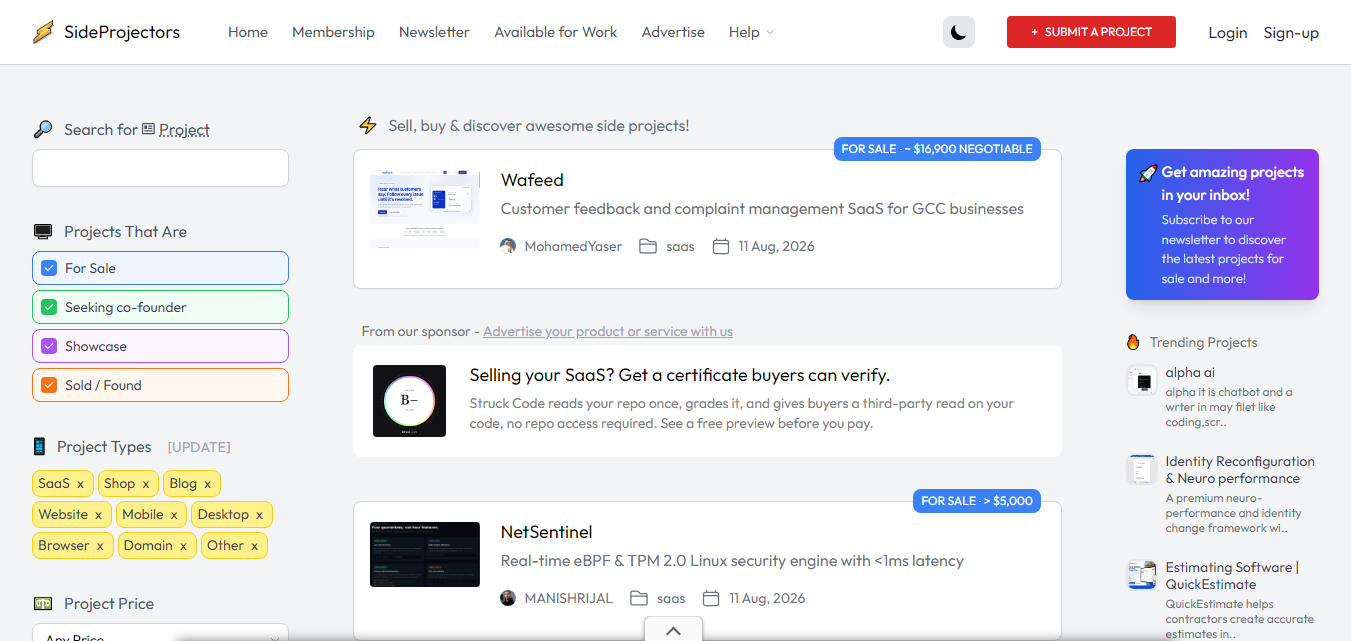
SideProjectors is a platform where developers and entrepreneurs can showcase side projects and discover projects created by other people. The platform also supports buying and selling projects and finding potential co-founders.
This makes it different from a traditional startup directory. It can be particularly interesting for founders who are building small products, experimenting with new ideas, or looking for opportunities around existing side projects.
Best For: Indie developers, side-project founders, and entrepreneurs exploring new products.
Official Website:
https://www.launchingnext.com/
Best For: New startups, technology products, and startup discovery.
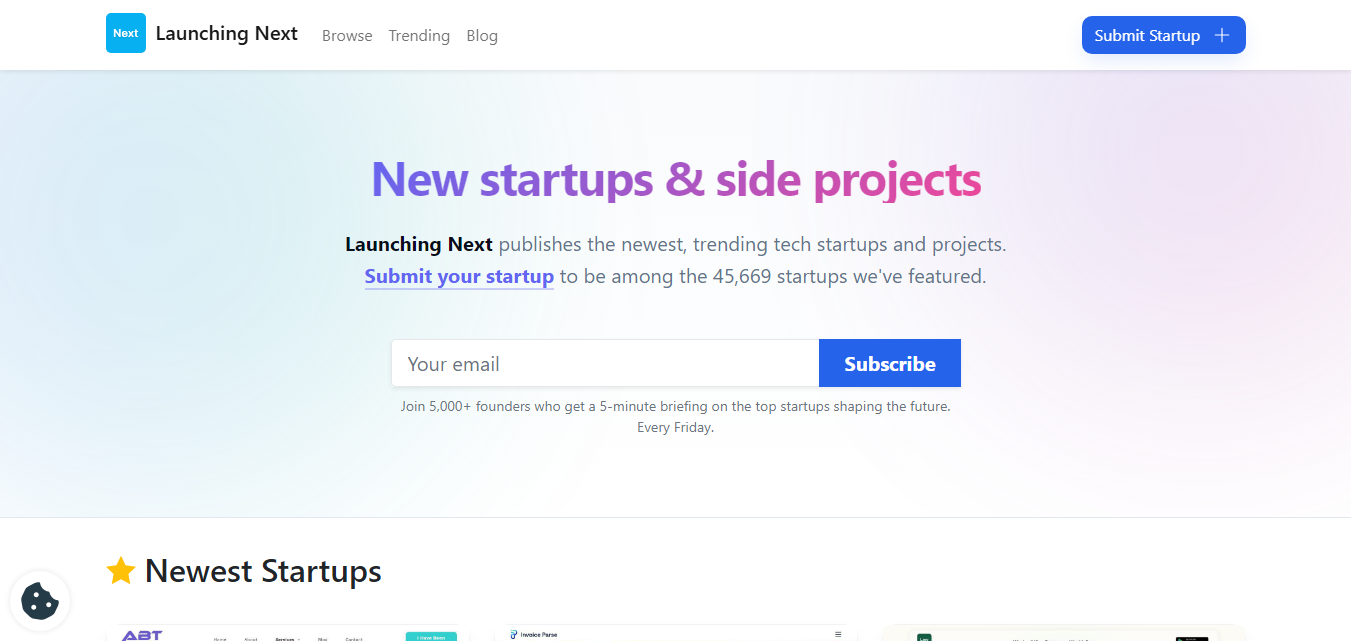
Launching Next features new startups, side projects, and business ideas. The platform provides a place for founders to showcase their products and for visitors to discover new companies and projects.
Launching Next currently states that it has featured more than 45,000 startups and projects, making it one of the larger startup discovery platforms. :contentReference[oaicite:0]{index=0}
For a new technology startup, a listing can provide another discovery channel for people interested in finding new products and business ideas.
Best For: New technology startups and online businesses looking for additional product discovery.
Official Website:
https://startupstash.com/
Best For: Startup resources, tools, and information for entrepreneurs.
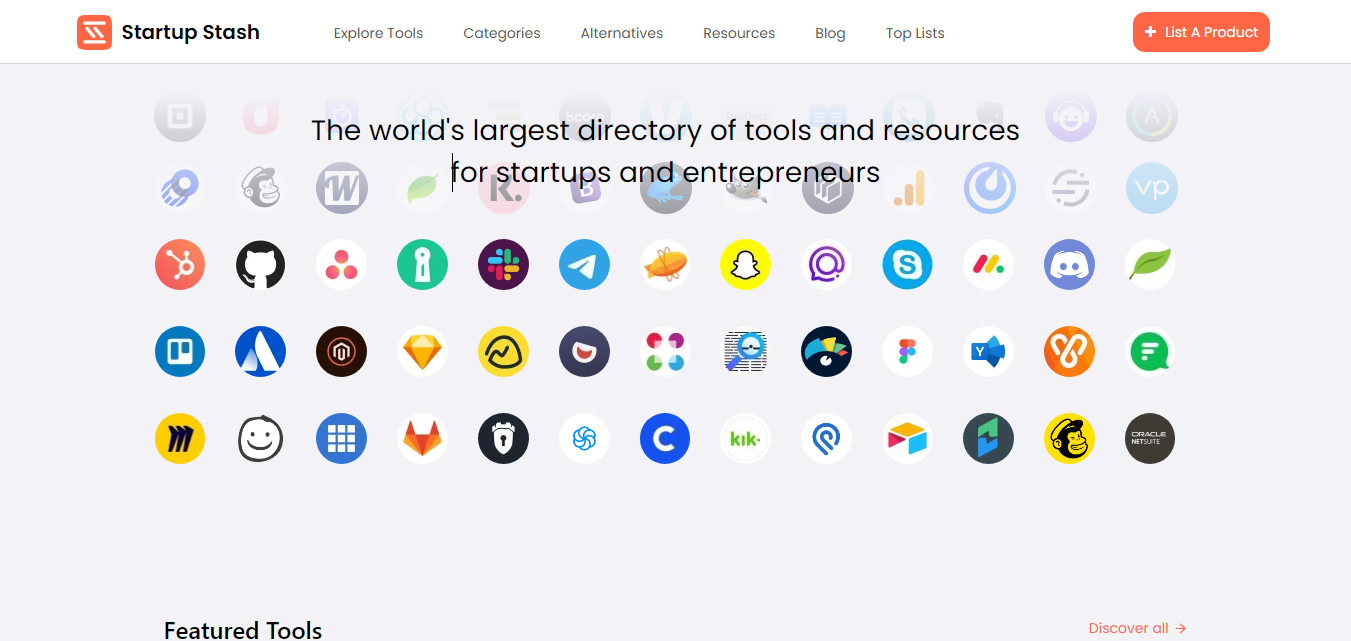
Startup Stash is a curated collection of resources and tools designed to help entrepreneurs build and grow startups. Its categories cover areas such as idea generation, early users, marketing, fundraising, and customer support.
Rather than focusing only on company profiles, Startup Stash is useful as a resource directory for founders looking for tools and services that can help them with different stages of building a business. :contentReference[oaicite:1]{index=1}
Best For: Founders looking for practical resources and tools for building a startup.
You don’t need to submit your startup to every platform you find. The most useful platforms are usually the ones that match your product, audience, and current business goals.
For example, a new SaaS product may benefit from software discovery and review platforms, while an indie developer may find more value in founder communities and side-project platforms.
Before submitting, ask yourself:
Prioritize relevance and genuine discovery opportunities instead of submitting your startup to a large number of low-quality directories.
Submitting your startup to a directory is only useful when the listing accurately represents your product and gives visitors a clear reason to learn more. Take a little time to prepare your profile instead of copying the same description everywhere.
A simple and consistent submission process can include the following steps:
Don’t submit the same generic description to every platform. Adjust your introduction to match the audience and purpose of each directory.
Explain what your startup does in simple language. A visitor should understand your product and its main benefit after reading the first sentence or two.
Upload a professional logo and useful product screenshots when the platform supports them. Good visuals can make your listing easier to understand and more attractive to potential customers.
Select the category that most accurately describes your startup. Avoid choosing unrelated categories simply because they appear to have more visitors.
Use the same company name, website address, logo, and basic business information across your important profiles. Consistent information makes it easier for people to recognize your brand.
Directory submissions should not be treated as a numbers game. Track referral visits, signups, leads, or other meaningful actions to understand which platforms are actually useful for your business.
Submitting to dozens of unrelated or low-quality websites is less useful than creating a few strong profiles on platforms that your target audience actually uses. Recent startup-directory research also emphasizes choosing relevant platforms instead of relying on large lists of low-quality sites. :contentReference[oaicite:0]{index=0}
Startup platforms use different business models. Some allow free profiles or submissions, while others charge for faster review, featured placement, additional promotion, or advanced business services.
A paid submission is not automatically better than a free one. Before paying, consider whether the platform has an audience that is relevant to your startup and whether the additional exposure is worth the cost.
Free platforms can also provide useful discovery opportunities. Product Hunt, for example, offers a free product launch process, while other platforms may combine free listings with optional paid services. :contentReference[oaicite:1]{index=1}
The best time depends on the platform and the stage of your product. If you’re launching a new product, launch-focused platforms can be useful when your website, product, and signup process are ready for visitors.
Don’t submit too early if your landing page is incomplete or visitors cannot understand what your product does. A polished listing should lead to a website that is ready to explain the product and convert interested visitors into users or customers.
For established startups, directory profiles can also be useful for maintaining an up-to-date company presence and helping potential customers, partners, employees, or investors discover the business.
There isn’t one startup directory that is best for every business. Product Hunt is useful for product launches, G2 and Capterra are relevant to B2B software, Indie Hackers is useful for founder communities, and Crunchbase is valuable for company and startup research.
Yes, relevant startup platforms can still provide discovery, community exposure, customer research, and business networking opportunities. The important factor is choosing platforms that have a genuine connection to your audience rather than submitting to every directory available.
No. Focus on directories that are relevant to your industry, product, audience, and business goals. A smaller number of useful listings is generally easier to maintain and evaluate.
A relevant directory profile can create another online reference for your business and may generate referral traffic. However, directory submissions should complement your overall SEO strategy rather than being treated as a shortcut to higher rankings.
Some platforms offer free listings or launches, while others charge for submissions, faster review, featured placement, or additional services. Always check the current pricing and submission requirements before submitting.
You will commonly need your startup name, website URL, description, logo, product information, category, screenshots, and contact or founder information. Some platforms may request additional information depending on their purpose.
Startup directories can be a useful part of a new business’s online promotion strategy. They give startups additional places to showcase their products, connect with relevant communities, reach potential customers, and research opportunities.
The most effective approach is to focus on relevance rather than quantity. Choose platforms that match your startup’s audience and goals, create a complete and useful profile, and keep your information updated as your business grows.
Whether you’re launching a SaaS product, building an online business, developing an app, or running a technology startup, the right combination of launch platforms, software directories, founder communities, and business databases can help more people discover what you’re building.
Start with a few relevant platforms, measure the results, and expand your submission strategy based on what actually works for your business.
Explore more articles on web design, development and SEO.
Discover over 150 trusted website directories to submit your website, improve online visibility, build quality…
Read Article
Explore powerful website audit tools to analyze SEO, page speed, broken links, technical issues, mobile…
Read Article
Compare the top AI tools for business, productivity, writing, coding, design, marketing, and customer support…
Read Article